

20% of tech jobs are held by women. 20%!!!! That is ridiculous! What is going on here? Why does tech repel women? We will explore that and many other topics that will empower you, support you and educate you to get TECHY! YOU ARE TECHY! Whether you know it or not, you are techy. I can’t wait to show you how. As a returnship mother of four, I have felt techy, felt not techy and everything in between. I’ll show you how to grow your skills and share with you some of my favorite friends who are women just like you crushing it in the tech world. Join me! We having a fantastic ride ahead of us!
Ellen: (00:01)
You are listening to the you are techie podcast with Ellen Twomey, episode number five.
Intro: (00:12)
Welcome to the You are techY podcast where it’s all about growing in your techy-ness so you can find the tech job of your dreams and now your host technology learning coach, Ellen Twomey.
Ellen: (00:29)
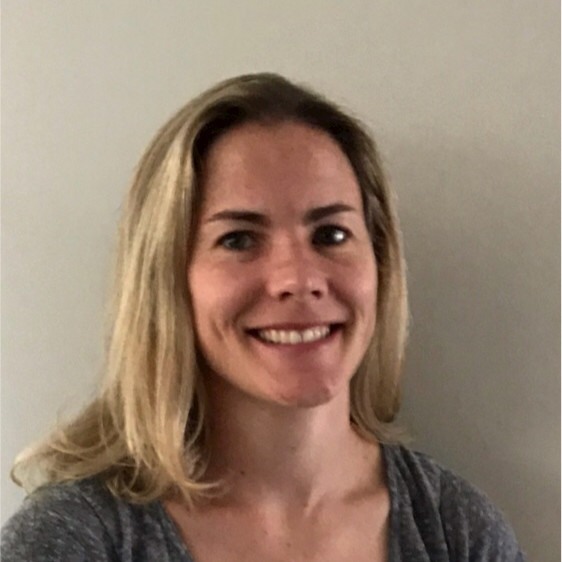
Welcome to the You are techY podcast today we have Sarah Brown with us. Sarah is the usability project manager for one of the coolest companies I know meet Edgar, the social media giant with a female tech founder. No less who makes our social media dreams come true. I personally could not live without MeetEdgar. Sarah has been with MeetEdgar for the past five years and prior to that she worked as a social media manager for Healthy Mamas for Happy Families. That is where Sarah’s natural tech career progression ends. Like most of the tech field today. Sarah has had a variety of experiences that led her to her current position. But unlike most other career paths, there is involved piloting T-30 sevens and T-38 aircraft for the United States Air Force. Her passion for flight, again in high school and continued in her undergraduate work where she studied aerospace, the aerospace option of a mechanical engineering degree at George Washington university. Always the Renaissance woman. Sarah holds a master’s degree from Drexel University in Library and Information Science. Sarah is joining us today from just north of Nashville, Tennessee. Sarah, so glad to have you today.
Sarah: (01:50)
Thank you so much for inviting me on Ellen. I really love the goal of You are techY and helping moms transition back into the workforce and specifically into tech. So I’m super excited to be here.
Ellen: (02:02)
Great. We’re excited to have you. Why don’t we jump in and you tell us about your career journey. How did you end up where you are and, um, how did you start out?
Sarah: (02:14)
Well, after college I joined the air force. Um, I ended up getting medically disqualified about a month before I graduated pilot training. Um, so therefore it’s offered me some other career options, but in the end I decided I didn’t want to do that if I wasn’t going to fly. So I got out and I followed my husband around during his army career for awhile. Uh, he actually just got out last year. Um, so it was just one of those things, you know, priorities shift and life goes in a different direction. Uh, so after that I went to grad school. We had our three kids and it was really when the kids got old enough that it was time for them to go to preschool and start doing other activities that we kind of looked at our finances and realize I need to go back to work if we want to be able to afford the type of schools and things we wanted them to do.
Sarah: (03:07)
So I blogged for a while. I started learning to code. Um, I did some freelance work and eventually, like you said, I ended up working for Healthy Mamas for Happy Families as a social media manager. And it was actually Danielle that introduced me to MeetEdgar. It had just launched the previous summer and she was using it and she wanted me to continue using it for her social media. And it just so happened that Edgar was also hiring at the time. Uh, so I applied and I was hired part time at first and then since then I have joined the team full time and I’ve worked my way up from answering emails to now I’m running our usability programs.
Ellen: (03:42)
Wow.
Sarah: (03:43)
And customer MeetEdgar and then liked it and thought it’s so interesting that you ended up applying. Yeah, exactly. I was using it for Healthy Mamas and it just made sense, like it’s just so much easier than a lot of other social media options. So I loved it and yeah. And I ended up applying and thankfully they hired me. That is so fun. Yeah, I totally agree. I recommend it all the time.
Ellen: (04:08)
So you actually briefly touched on this, but I’d love to hear more about how motherhood impacted your decisions, um, throughout your career. You know, maybe like before and then and then returning.
Sarah: (04:22)
Yeah. So I did stay home with our kids for a while, full time. We have three, we have a nine year old, it’s actually the seven year old’s birthday today. Um, and then we have a three year old as well. And I loved staying at home with them, but like I said, we needed that second income if we wanted them to do what we wanted them to do. Uh, so I started freelancing at first so that I could still stay home. Um, and then I was introduced to Edgar and discovered the whole emerging world of work from home, fully remote company is which Edgar is a hundred percent remote. We have employees all over the country. We have an employee in Canada too. Um, and everybody works from home or wherever they prefer to work. Um, and the flexibility in that has been huge for us.
Sarah: (05:07)
It means that I can be there when my kids need me, but I can still contribute meaningfully to our income. And as a military spouse, it was so huge because I didn’t have to find a new job every time that we moved. And that’s a really big problem for military spouses. Military spouses are notoriously underpaid because their careers are constantly interrupted. Um, but I mean we’ve moved three times since I joined Edgar. And being able to keep my job through the moves and keep building my career has just been amazing. Um, and really run boat is really the only type of work I would consider at this point. It’s been a huge blessing for my family.
Ellen: (05:48)
I think that is so interesting. And the way, so that’s also been my experience with military personnel and spouses. Really. The way that you said it, um, is kind of a just, I dunno really encapsulates how important it is that that remote component, and it probably explains why so many women in our Facebook group and on my email list why I get so many military women or spouses. Um, so they, you know, they’re either in the military themselves or their spouses. It’s very challenging. I’m sure if you can’t maintain that continuity, we always say tech provides meaningful, flexible, well-paid work. So, you know, that’s, um, I, it sounds like it’s been a big, a big opportunity for your career.
Sarah: (06:33)
Yeah, it’s been fabulous. I mean, a lot of military spouses end up going into fields like education or retail because those are more transferable. And initially that’s why I got my masters in library science. I had intended to be like a school librarian. Um, but it, it just didn’t end up working out the way that we wanted to. And I’m so happy that it didn’t because, uh, now I have this whole other career in tech and it’s been fantastic. I mean, tech offers really well-paying positions. It offers a lot of growth opportunity and like working remotely has just been amazing. Right.
Ellen: (07:13)
That’s great. That’s super interesting. Thank you for delving in and sharing that. I can’t, I would be remiss if I didn’t dig into this piloting of aircraft for a little bit. What was it like, what made you want to take that leap into military work? And especially flying, because I like to consider myself someone who takes risks, but I can say that piloting a military aircraft has ever really been on my radar. So tell us a little bit.
Sarah: (07:42)
Yeah. So actually my dad was as a fighter pilot. I have an uncle who was a fighter pilot. My, I have another uncle who flew helicopters for the army. And both my grandfathers were actually are forced to. So I was kind of born into it. Um, yeah. And I actually started flying in high school, um, kind of, instead of going to school my senior year, I went to flight school instead and I earned my private palliate certificate. Um, and then I studied aerospace engineering in college with no intention of ever being an engineer, but that was kind of what the air force was looking for. So that’s the degree I got. Um, and flying was awesome. Like it’s, it’s so much fun. It’s, there’s this huge feeling of freedom when you’re in control of that plane and you can do whatever you want. And there’s also like this really big sense of focus when you ha like it’s dangerous.
Sarah: (08:35)
You have to really pay attention and be in there. It’s, it’s a really cool feeling to fly a plane. Um, and I, that was going to be my career. I, that’s what I wanted to do. But, you know, life is funny and things happen and honestly I think I’m probably a much happier person now than I would have if I continued on that path. Uh, I love flying, I miss flying, but I don’t really miss much else about that career path. So life’s taken me on a lot of different paths. And I think, you know, one of the most important things you can learn to be in life is to be adaptable. Um, and so that’s, that’s kinda what, that’s kind of my, my motto in life is just adapt to whatever you end up doing.
Ellen: (09:24)
Absolutely. And especially like, it’s so different from our parents’ generation that we have to grow and change. We don’t really have, we don’t get, I’m from Detroit. It’s like you get a job with the auto industry for 40 years and then you retire and you, and that is just not, that doesn’t, that’s not really how it works now. I mean there are some, I know few people, but the majority it’s like they jumped jobs or they move or they start throwing businesses. It’s just kind of a different world.
Sarah: (09:54)
It absolutely is. And yeah, I just think you have to be open to finding opportunities wherever they are. Um, and, and not be afraid to, to jump in, even if you don’t know what you’re doing.
Ellen: (10:05)
Right. Absolutely. Well, why don’t we dig in a little bit more to your social media work? Um, this is actually, there’s one of my favorite career, um, recommendations for women who are staying at home. Uh, my, my carpool buddy, my neighbor, I keep trying to convince her, I’m like, you’d be amazing at social media. I mean, like you said, you didn’t know kind of this world existed. I think it’s right for women to return to the workforce. And it gives you a little bit of insight into tech and what can come out of it and kind of a nonthreatening way, but there’s a whole world. So like how did you, can you just tell us a little bit about your social media work and was that a good transition for you from home and how did that, how did that work?
Sarah: (10:51)
Yeah, it absolutely was. And it really got me the experience necessary to get my job at Edgar, which, um, I’m so thankful for. But yeah, I started out just freelancing for people. Um, I was pretty good at HTML and CSS at the time, so I did some websites stuff too, but mostly I did the social media stuff. Um, and it’s really, it is, it’s a whole career field now. Uh, social media managers, content managers, things like that. It’s a, it’s an emerging career path and I definitely recommend that people jump into it. I mean, it’s, it doesn’t require a lot of hard core tech skills. Um, it really just requires an understanding of people and being able to talk to people on social media and being able to adopt a brand voice. Um, that’s the really important parts. Um, and I really love working at Edgar in social media because our, our goal, our mission is to help small achieve growth through social media.
Sarah: (11:56)
It’s not, you know, we’re not talking about scrolling social media for fun or whatever, like hanging out on your Facebook feed. It’s, it’s a really powerful global network to grow a business and we get to help entrepreneurs support their families and build the businesses that they want to work for. So that’s, that’s a really cool part of my job to get to be a part of that. Um, and social media is incredible for businesses. You can’t find another network or, or you know, resource out there that’s free, that can reach this many people. Um, and I mean all the networks have their ad platforms too, but you don’t have to spend a ton of money on social media to be successful at it. Um, so for entrepreneurs who are just getting things off the ground, it’s really powerful and I just love that we get to be a part of that success.
Ellen: (12:45)
That’s great. That’s super, I love the way you described all of that because knowing that you can have a really big impact on a business with a kind of, some of the skills that you might already be using and just leveraging them in a different way. I think that, I know in our community that is really, that’s what people want. Like they want to be able to contribute and they just, if they can just figure out how to do that, that um, you know, that they’re actually helping people I think is really beneficial. So, so that’s great. Um, I’d love to know, we always like to talk. So one of our favorite topics, uh, in our group is talking about interviewing. And so I’m just wondering, do you have any favorite one or two questions that, that you’ve been asked or that you would ask in an interview? Um, that you want to share with our groups? So maybe they can, if they’re doing some prep, they can, uh, hear what you have to say.
Sarah: (13:41)
Yeah, definitely. So I don’t personally interview a lot of people for Edgar, but I do sometimes sit in on the interviews and I help with reviewing applications. And I think two of my favorite questions would be what did you like and dislike most about your last job or work environment? And then also tell me about a time that you receive feedback about your work that was difficult to hear and what did you change as a result? And I like those questions because the person’s answer is really not as important as how they answer it. Uh, so at Edgar culture fit is a really big thing for us. We want to make sure that you’re going to fit in how we work and how we interact together. So what we’re looking for in those questions really is, are they speaking respectfully of their former company? Even if things didn’t go well, if they didn’t end well, are they taking responsibility for their part of that? Are they, you know, really being blamey or negative? Maybe they’re not a good fit for us. If they, if they’re doing that, uh, we really want to see them find positives, even if the situation was negative. Um, we want them show us that they can identify and respond to growth opportunities because, you know, every negative situation is an opportunity for growth. So we want to see how they respond to those type of questions more than you know, what their actual answer is.
Ellen: (15:04)
Right, right. That’s, those are great. I’d like to steal those if I might. You did mention that you do some resume reviews. Anything that you kind of, that will catch your eye or that you’re drawn to when you’re, that’s me.
Sarah: (15:25)
So the resumes are actually, we actually look at those later. Um, what we focused on first to kind of help, uh, weed through all the candidates is, um, the application questions that we ask. And what I would say about those. And most, most companies have these along with submitting your resume. And so what I would say is do your homework, uh, do not put generic answers on there. Look at the company’s help docs. Look at their career pages, look at how they speak to their customers, um, things like that, and mimic it. Like make it personalized to that company. Um, for example, on our customer experience applications, we give people sample customer questions and ask them to respond to the customer. So if you just put like some generic, well this is how I would respond, you’re probably going to get weighted out right away. Um, but if you’re, if you put a real response up there like, hi John, and you have a real response that’s like tailored you, it’s obvious you went to our health docs and you found the answer, you’re going to get an interview most likely. So whenever you see questions like that, like, don’t, don’t put generic stuff, go figure out what they’re looking for specifically or that app or for that company.
Ellen: (16:49)
I think that’s, um, so helpful. And I love the way that you talked about not using generic answers because oftentimes I’ll hear like, wow, let’s just take so long. But I think the point is that if the company is worth it, then you’re willing to put the time in. And that’s
Sarah: (17:06)
exactly, and it does take, it does take really long, but I really think you’ll get a better response if you take that time. I mean just sitting there and sending out a hundred applications a day to a bunch of companies that are really generic is not going to get you very far, but taking time to do, to submit like three really amazing applications is going to get you a lot farther.
Ellen: (17:28)
Right. Love it. So if Edgar requires an application, do you, do you publicize your postings or do you have to go to the MeetEdgar website to fill it out?
Sarah: (17:42)
So usually we’ll post our job with scenes on sites like weworkremotely.com and there are a couple others that we on too. Weworkremotely I think is my favorite because it’s all remote positions. Um, but uh, yeah. And so what it’ll usually have the description but then it’ll link to our application. Um, so yeah, you can’t usually apply directly through the places that we list. You have to click over.
Ellen: (18:12)
Got it. Cool. Super cool. Thanks for sharing that. Let’s, um, okay, now we’re getting into one of my favorite topics. We’re going to talk about usability. Um, so you’re a usability program manager. I like to talk about all the different jobs that there are in tech. I can tell you that’s not when our women in our group come there. And I’m like, I want to be a usability program manager. So you know, dig in, tell us what that’s all about. And like why would somebody want to do that?
Sarah: (18:40)
Yeah, definitely. So I love the field of usability and it’s something that I’d been introduced to in my work with Edgar. And basically it’s all about making sure that apps and products work the way that users need them to work instead of the way that the company thinks they should work, which are often not the same thing. Uh, and Edgar actually does this stuff a little bit differently. We try to take a really holistic view of user experience and usability and we try to look at it not just from the user interface perspective but from the overall experience, which starts with that first contact with a lead all the way through the product, do our user facing help docs and to contact with the customer, customer experience team. So to us having a really usable app means that all of those things are really integrated and consistent.
Sarah: (19:33)
Uh, so technically I’m a member of Edgar’s product team, but I really work in the space between all of our teams. So I work really closely with the customer experience team overseeing troubleshooting, I’ve user issues and bug reporting. I work with the marketing team, making sure that the website and the messaging is consistent with the INAP messaging as well. I oversee our user-facing help docs, I oversee our quality assurance testing to make sure that things are working the way that they should. Um, and then whenever we run actual user surveys or usability tests for new features or things like that, then I’m the one that does the interviews and the analysis too. So there are a lot of components that go into our usability programs that aren’t necessarily a part of other usability, uh, programs out there that I’ve seen. Uh, but to us, we really think that’s important to provide our customers with the best user experience.
Ellen: (20:29)
I think that’s so telling because that being a UX designer, I know I’m super critical programs out there and I get very angry and throw things. But I, one of the reasons that I, that I really liked me and I grew is that not only is the experience on the screen, um, and this is not to be like a, you know, like an infomercial about MeetEdgar, but I find it really hard to explain how user focus design can be implemented without specific examples. And so what I was saying about MeetEdgar is it’s not necessarily even where things are on the screen or what I’m looking at, but a lot of times it has to do with communication. So they’re like, we don’t do this yet. We are going to do it in the fall. We don’t that as a cl, a customer and a selector of software. I think it’s, that transparency is really helpful. So I can say like, how important is Instagram to me? How do I compare that to LinkedIn is that, you know, those are, um, those are really important things and I think it speaks directly to usability. I don’t know if you having to add to that, but,
Sarah: (21:40)
No, I absolutely agree. I mean, like I said, it’s not just about the actual user interface, it’s about making sure that it’s consistent across the board. If you reach out to our customer experience team, that should feel like the same experience that you receive if you’re just reading something in our health docs or the same experience that if you look that you get, if you look at our marketing website. So we really want to make sure that it’s that whole package, um, and responding to our customers is super important to us. Um, we track all the feedback we get, we make sure that we troubleshoot every bug report, even if it’s not an actual bug. We, we want to get to the bottom of what’s causing that pain point for the user. Um, so yeah, I mean, usability is so much more than just, uh, user testing or surveys or whatever. It’s really that whole package.
Ellen: (22:31)
Cool. That’s great. So it sounds like you like a lot of things about your job, but if you had to pick like two, what would your two favorite things be?
Sarah: (22:40)
Uh, so I think my first favorite would be the flexibility. Um, our founder Laura rotor, started Edgar because she needed a better solution to social media for her business, but she didn’t, she doesn’t like traditional office environments. Um, Laura has two kids and she and her family, they love to travel and she’s really committed to a remote and flexible workplace that actually lets people have that, that really rare work life balance. Uh, and our team, especially our ops team, has worked so hard to make that into a reality that’s sustainable for us. And I mean, I dropped my kids off at school every day. I pick them up from school every day I go to functions at their schools. I go to impo appointments when I have to, and no one’s always like standing over my shoulder. Like, why aren’t you at your desk? Edgar employees are really valued for their contributions instead of for punching a time card every day.
Sarah: (23:36)
So everyone really respects that. When you sign off for the day, you’re done. Like people aren’t calling you after hours. Uh, so I love that aspect of my job. Then the other aspect would just be the people that I work with. Um, everyone is so amazing at their job at Edgar. Uh, and, but beyond that, like there’s really amazing humans too. Uh, so work is really fun. We, we may not be co located, uh, but you know, we’re always chatting on Slack and talking about random things. We were talking about movies today on Slack, so, uh, it’s always really fun.
Ellen: (24:11)
That’s great. That’s awesome. No, I think that flexibility is super valued and I don’t know. Yeah, I mean I, from my perspective, it’s so hard cause I, I have my own company. I work flexible hours. I don’t know. I can’t, I sometimes it’s hard for me to imagine I’ve done this for so long. I don’t know. Like what do you do? What do you do when you don’t have that flexibility? Um, but I think it’s, it’s important for people to talk about it, but like you said, you know, in order for that flexibility, you’re like, but you, the people are amazing and it’s like if you have the right skills and you can accomplish that and you can accomplish a lot in your flex time and um, you know, cause I know for moms, like that’s like number one is drop my kids off, pick my kids up. I mean I cannot tell you. And that’s not only like stay at home moms to transition, like that’s our, we have experienced moms in our group and they will, they will step down career-wise or just, or step sideways just to get that flexibility. I think that it’s a message out there for corporate America. Like if you could let people drop their kids off at school and pick them up, you get, and I mean, that’s like, that’s like seven hours right there.
Ellen: (25:23)
So it’s, um, it’s important. So I appreciate you sharing that. That’s, that’s really great. But let’s, let’s dig into the harder side here. What, what do you find challenging? Cause of course every job no job is like, Oh, it’s perfect all the time. I love it. What are your challenges, like a couple challenges that you have in your job?
Sarah: (25:41)
Um, so I think actually it’s this a challenge, but it’s also something that I really enjoy is that working in tech is there’s a constant learning curve. Um, it’s always changing. There’s always more stuff to learn. And I mean, initially when I was hired at Edgar, my sole purpose was to answer customer emails. That’s the only thing I was hired for. Uh, but I wanted to progress in my career. So I, I dove in and I learned everything that I could possibly learn so I could contribute more and do harder and harder things. And I’m still learning. Uh, there’s, that’s also something that Edgar’s amazing with. They really support professional professional development. I mean they sent me to the Disney Institute to learn customer service. They sent me to become a certified usability analyst. Uh, I’m pursuing another certification right now. Um, I’ve improved my coding skills while I’m been at Edgar, even though like I don’t actually do coding. Um, but I mean honestly, if you’re in tech, you should at least have an understanding of coding works because it’ll just help you know what P, what the engineers can do and what they can’t. Um, so yeah, I mean I’ve, I’ve learned so much at my time at Edgar and it’s just, that’s just how the tech industry is. Like if you want to be in tech, you have to be committed to keep learning.
Ellen: (27:03)
Yeah. Well I totally agree and I’m wondering if you’ve been reading my blog, cause I always say don’t have to learn to code to be in tech, but you should.
Sarah: (27:11)
You said yes. I mean I, I’m, I’m not a good coder. I can read code a lot better than I can write it, but you should be able to read it at least and, and have a general understanding of what’s possible and what’s not.
Ellen: (27:24)
Yeah. And that’s why a lot of times, that’s why I was saying like social media manager, it’s a great end. And I think one of the things that you don’t have to start off coding that actually that’s my philosophy is like you don’t even SS not always the beginning. It can just be a part of the journey, you know? So I love, and I love that you said, then you’ll know what’s possible for the development when you know what you’re asking for and they’ll respect you a lot more too, because you’re speaking from a place of like understanding.
Sarah: (27:52)
Yeah, absolutely. I mean, when I started at Edgar, I, I had some HTML and CSS, but I didn’t have anything beyond that. And so I, I’ve had to learn that developer speak and to be able to participate and to contribute to the product team. So yeah. I mean even if you’re, even if you’re not a good coder, even if you never want to write a single line of code, I’m a proponent of still learning how.
Ellen: (28:16)
Yeah. Yeah. And does MeetEdgar like do they use one stack or are they
Sarah: (28:20)
Ruby? Ruby on rails is how it started. It’s moving more to React now.
Ellen: (28:26)
Oh, that it’s correct. Okay. So for my audience who doesn’t know, that’s a framework in JavaScript and this is a constant discussion lately that I keep hearing this about front end developers now are becoming full stack because you know JavaScript is just keeps coming up with more and more stuff. So all right, that is super interesting to hear a lot of that from my, my developer buddies. So that’s cool. Okay, now I need to know what it’s like to work at the octopus and I need to, so I’m going to dig it out, but one of the things we’re going to have to do for the cover of this episode is my daughter and her meet Edgar socks because Terry sent me socks but she like stole them and she’s my little one, not even the, not even the older one with, but she wears those octopus socks all the time and they’re super cute. And so I, you talked a lot about culture and I want to make sure that people, I want them to really understand, you know, what a company can, that a company can have a unique personality and that they need to find the company that’s right for them and that, um, you know, matches what they’re interested in. And also, I’m just super curious. So just tell me what is it like at meet? I go, what is the like and you know, what’s it like to work for the octopus?
Sarah: (29:44)
Edgar is awesome. Edgar is so much fun to work for. And like I really started with Edgar, the octupus, our little mascot, um, octopus, uh, when he was first developed, our designer and our writer at the time gave him this really fun and cheeky personality. And so we’ve kept that going over the past five years as we’ve developed things more and more. And that spills over into our daily work too. So whenever we’re working on something, we’re always trying to make sure we’re keeping it in that voice, keeping it light and chatty and fun. And so that makes for a great environment. Um, and I mean once, once or twice a year we get together, um, at a retreat so everyone can work face to face for a few days. Um, and those are always really fun too. Everyone’s always up for adventure as this past may, we went to Phoenix and we went hiking in the desert and like 105 degrees that everyone was on board and it was really fun. Um, so yeah, I mean everyone at Edgar’s really, really interesting. They all have really cool backgrounds. They’re always willing to learn new things and it’s, it’s a really cool environment to be in.
Ellen: (30:50)
Well, love it. That’s really special and unique and I appreciate you sharing that with us. Um, I’d love to wrap up here with just asking you to pretend that there’s a woman. Um, maybe she’s a mom and she stayed at home with her kids. Um, maybe she’s in a job that just is not meaningful for her and, and maybe even some of the people there are not kind, um, or hard to deal with. I’ve definitely heard that story and I just want you to envision what advice you would give to her. Um, just in general about tech and then, um, you know, maybe even about a specific position in usability or, um, social media. What advice would you give to her and, and, and how would you, how would you say that she might go about making that transition to tech?
Sarah: (31:50)
Um, I would say the best thing to do is to just start, like, just get your foot in the door. Um, my background is not in traditional tech. Um, and like I said, I started just freelancing for various people, um, trying to, to see what it was like trying to, to find that right niche for me. And that turned out to be usability and social media for me. And those are really great ways to break into it because you don’t have to have a whole bunch of tech skills to do, to do it, to be really successful at it. Um, but it opens the door so that you can learn more of those skills along the way. Um, so the biggest thing I think is to just be open to opportunities wherever you can, um, and to take those opportunities and make the most of them.
Sarah: (32:40)
And once you do get hired, I would super encourage you to look around and identify opportunities within the country if you are within the company. If you see like a weak spot somewhere within the company, pitch a solution for it. Even if you aren’t, even if you don’t know how to do the thing, like pitch a solution, be willing to learn how to do the thing. Um, so you can contribute more broadly. Uh, the more you can contribute, the more valuable you’ll be to the organization and the more opportunities you’ll have to learn new skills.
Ellen: (33:12)
Yeah, I think that’s great. Yeah. We always talk about adding value, adding more value. And I know that a lot of times, you know, where we focus a lot on getting the job, but I try to always emphasize that that’s just one stage in the journey and it feels like a big step when you’re, you know, when you’ve, when you’re in a different environment, you know, when you’ve got your routine of whether you’re at home or in a, in a work environment, you’re doing it over and over again and you’ve got to make that shift feels like a big shift. Um, but then once you’ve made it, there are just all these other kind of ways that you can grow and change too.
Sarah: (33:45)
Absolutely. I mean it’s in the military we are in pilot training, we talk a lot about situational awareness and as things become routine, your awareness expands. Um, so like once you have that job and you’ve got, you’re in the group, then it’s time to expand and look at new new options and places to go.
Ellen: (34:04)
I love that. That was great. Thank you. That was great. Okay. Can can, can people, if they want to find you, where, where should they look and follow you or connect with you.
Sarah: (34:15)
Uh, so I’m on LinkedIn and if, if you’re not on LinkedIn, I suggest you get on LinkedIn, the professional social network, uh, and you’ll really be surprised when you’re on there, like the connections you can make and uh, the information you can learn from it. So I would definitely say reach out on LinkedIn. Um, mine is Sarah Marie Brown. Um, great. Uh, so I’m on there. That’s really the main one that I use professionally.
Ellen: (34:43)
Great. That’s where we’ll send people. That’s, that’s where I found you. That’s great. Sarah, I have enjoyed this conversation so much. Thank you for coming on and just sharing your story. I was excited. I interview or I reached out to you and then the more I dug into your background, I didn’t, when I first reached out I thought, Oh, this’ll be good. And then, um, I didn’t even realize that what a great fit you would be for our community. So we’re, I’m just so thankful for your, you taking the time to inspire people. And really show them that if they are willing to put themselves out there that they can do anything. So thank you so much for being here.
Sarah: (35:21)
Well, thank you so much for bringing me on. I really appreciate it and I’m going to go join the Facebook group, so if people want to talk to me there.
Ellen: (35:29)
We’ll see you in the group. Thanks Sarah.
Sarah: (35:31)
Thank you.
Ellen: (35:32)
Bye bye.
Ellen: (35:39)
Hey, if you enjoyed listening to this podcast, you have to sign up for the You are techY email list. Imagine being in the tech job of your dreams. Join me to get the strategies, training and never ending support to get hired. Sign up at youaretechy.com that’s Y-O-U-A-R-E-T-E-C-H-Y dot com. I’ll see you next time.


Join our You are techY FB Group! Membership is free and you won’t believe the supportive community that we have rock n’ rolling just waiting for you!